Hashem Alshehri
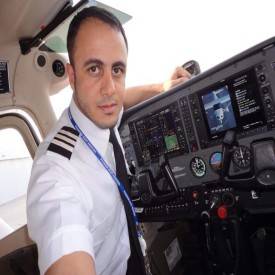
Hashem Alshehri
Drone Pilot
- 3D Rendering
- Adobe PhotoShop
- Advertising
- Aerial Inspections
- Agriculture
- Ashes scattering
- Baby Reveal Partys
- Cable Inspections
- Cell Tower Inspections
- Commercials
- Construction
- Drone
- Environmental Monitoring
- Event Filming
- FAA Part 107 Test Lessons
- Flying Lessons
- FPV Drones
- Game Tracking
- Golf Courses
- Ground Penetrating Radar
- Infra-Red Photography
- Insurance Inspections
- Journalism and News Coverage
- Law Enforcement
- Live Events
- Mapping
- Maritime
- Mining
- Music Videos
- Oil & Gas Industry
- OTHER
- Photography
- Power Line Inspections
- Racing Drones
- Real Estate
- Roofing Inspections
- Search & Rescue
- Security
- Sport Photography
- Synchronized Light Shows
- Urban Planning
- Video Editing
- Videography
- Videos
- Weddings
- Wind Turbine Inspections
- 3D Rendering
- Adobe PhotoShop
- Advertising
- Aerial Inspections
- Agriculture
- Ashes scattering
- Baby Reveal Partys
- Cable Inspections
- Cell Tower Inspections
- Commercials
- Construction
- Drone
- Environmental Monitoring
- Event Filming
- FAA Part 107 Test Lessons
- Flying Lessons
- FPV Drones
- Game Tracking
- Golf Courses
- Ground Penetrating Radar
- Infra-Red Photography
- Insurance Inspections
- Journalism and News Coverage
- Law Enforcement
- Live Events
- Mapping
- Maritime
- Mining
- Music Videos
- Oil & Gas Industry
- OTHER
- Photography
- Power Line Inspections
- Racing Drones
- Real Estate
- Roofing Inspections
- Search & Rescue
- Security
- Sport Photography
- Synchronized Light Shows
- Urban Planning
- Video Editing
- Videography
- Videos
- Weddings
- Wind Turbine Inspections
- 3D Rendering
- Adobe PhotoShop
- Advertising
- Aerial Inspections
- Agriculture
- Ashes scattering
- Baby Reveal Partys
- Cable Inspections
- Cell Tower Inspections
- Commercials
- Construction
- Drone
- Environmental Monitoring
- Event Filming
- FAA Part 107 Test Lessons
- Flying Lessons
- FPV Drones
- Game Tracking
- Golf Courses
- Ground Penetrating Radar
- Infra-Red Photography
- Insurance Inspections
- Journalism and News Coverage
- Law Enforcement
- Live Events
- Mapping
- Maritime
- Mining
- Music Videos
- Oil & Gas Industry
- OTHER
- Photography
- Power Line Inspections
- Racing Drones
- Real Estate
- Roofing Inspections
- Search & Rescue
- Security
- Sport Photography
- Synchronized Light Shows
- Urban Planning
- Video Editing
- Videography
- Videos
- Weddings
- Wind Turbine Inspections

About:
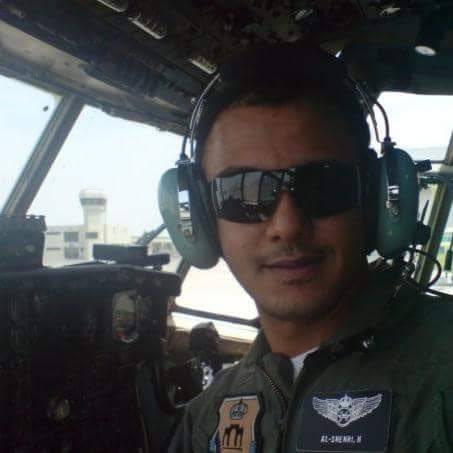
Journey from Air Force Flight Engineer and Commercial Pilot to Drone Pilot Early Beginnings and Military Career My journey as a drone pilot began long before I ever laid hands on a remote controller. It started in the cockpit of various aircraft, high above the ground, surrounded by a myriad of instruments and controls. I was born with a fascination for aviation, one that only grew stronger as I got older. This passion led me to join the Air Force, where I served as a flight engineer. My role was pivotal; I was responsible for ensuring the aircraft operated efficiently and safely, managing systems ranging from electrical and hydraulic to pressurization and air conditioning. As a flight engineer, I was part of a team that undertook diverse missions. We transported troops and equipment, conducted reconnaissance, and provided air support. The camaraderie and the sense of purpose were unparalleled. Each mission was a testament to our training and teamwork. I thrived in this environment, where precision and reliability were paramount. The experience honed my technical skills and deepened my understanding of aviation systems, setting a strong foundation for my future endeavors. Transition to Civilian Aviation After several years of dedicated service, I transitioned to civilian life, but my love for flying remained undiminished. I pursued a career as a commercial pilot, obtaining my certifications and logging hours in various aircraft. Flying commercially was a different challenge, one that demanded exceptional situational awareness and decision-making skills. I flew domestic and international routes, experiencing the thrill of navigating through diverse weather conditions and airspaces. Commercial aviation offered its own set of rewards and challenges. The responsibility of safely transporting passengers to their destinations was immense. Each flight required meticulous planning, from route selection and weather analysis to fuel management. The stakes were high, but so were the rewards. The satisfaction of a smooth landing after a long flight, the beauty of a sunrise at 30,000 feet, and the joy of seeing new places were all part of the job. An Unexpected Turn However, life sometimes takes unexpected turns. After years of flying, I faced a medical condition that necessitated I remain grounded. Losing my medical clearance to fly was a significant blow. The cockpit, which had been my sanctuary, was now out of reach. The thought of not flying again was devastating. It felt like a part of my identity had been stripped away. But in every challenge lies an opportunity. I needed to find a way to stay connected to the skies, and this led me to the world of drones. Discovering Drones Drones, or Unmanned Aerial Vehicles (UAVs), offered a new frontier. They were transforming various industries, from agriculture and real estate to filmmaking and disaster management. The technology fascinated me. Drones could go where manned aircraft could not, providing unique perspectives and capabilities. They represented a convergence of my technical skills and passion for aviation. I began exploring this new field, eager to learn everything I could about drone technology and its applications. Training and Certification My first step was to obtain the necessary certifications. The Federal Aviation Administration (FAA) requires drone pilots to hold a Remote Pilot Certificate, which involves passing the Part 107 exam. The knowledge I gained from my previous aviation experience was invaluable here. Understanding airspace classifications, weather patterns, and aviation regulations gave me a significant advantage. However, flying a drone required a different skill set. Precision control, spatial awareness, and understanding the capabilities and limitations of the UAV were crucial. I enrolled in a training program that covered everything from basic flight operations to advanced maneuvers and aerial photography. The hands-on training was essential. I spent hours practicing take-offs, landings, and complex flight patterns. Learning to interpret the data from the drone's sensors and cameras was another critical aspect. The more I flew, the more I appreciated the potential of drones. They were not just toys or tools; they were sophisticated aircraft that required skill and respect. Building a Career in Drone Piloting With my certification in hand and hours of practice under my belt, I began my career as a professional drone pilot. My background as a flight engineer and commercial pilot gave me a unique perspective and skill set. I understood the importance of safety, precision, and planning in aviation, and I applied these principles to my drone operations. My first projects were small, primarily for real estate and local events. However, as I built my portfolio, I started attracting more significant opportunities. One of my early breakthroughs was a contract with a construction company that needed regular aerial surveys of their sites. The ability to provide high-resolution images and 3D maps of their progress was a game-changer for them. It allowed for better planning, monitoring, and communication. I also began working with agricultural clients, using drones to monitor crop health, irrigation systems, and soil conditions. The data collected helped farmers make informed decisions, increasing yield and efficiency. Expanding Horizons As I gained experience, I expanded my services to include cinematic productions, environmental monitoring, and disaster response. Each project brought new challenges and learning opportunities. Filming for documentaries and commercials required a keen eye for composition and timing. Environmental projects often involved working in remote and challenging conditions, requiring robust planning and adaptability. Disaster response missions were perhaps the most rewarding. Using drones to assess damage and locate survivors after natural disasters underscored the profound impact this technology could have on saving lives and rebuilding communities. I also invested in the latest drone technology and software, ensuring I could offer my clients the best possible service. High-resolution cameras, thermal imaging sensors, and advanced flight control systems became part of my toolkit. I stayed abreast of industry trends and innovations, continuously learning and adapting to new tools and techniques. Reflecting on the Journey Looking back, my journey from a flight engineer and commercial pilot to a drone pilot has been both challenging and rewarding. While the path was not one I initially envisioned, it allowed me to stay connected to my passion for aviation. Drones have opened up a new world of possibilities, enabling me to apply my skills and experience in innovative ways. The transition required resilience, adaptability, and a willingness to embrace change, but it has ultimately been fulfilling. Today, as a seasoned drone pilot, I continue to explore new applications and push the boundaries of what drones can achieve. Whether capturing stunning aerial footage, conducting critical surveys, or assisting in disaster response, I am driven by the same passion for aviation that first took flight in the cockpit of a military aircraft. The skies may look different from the ground, but the sense of purpose and dedication remains the same. Embracing the Future of Aviation As I continue to grow in my drone pilot career, I am excited about the future. The rapid advancements in drone technology promise even greater capabilities. From autonomous flight systems and AI-driven analytics to longer flight durations and enhanced sensor payloads, the potential applications are expanding exponentially. I am particularly interested in the integration of drones into urban environments for tasks like delivery services, traffic monitoring, LIDAR and thermal Mapping. Thank you for the visit.
Equipment:
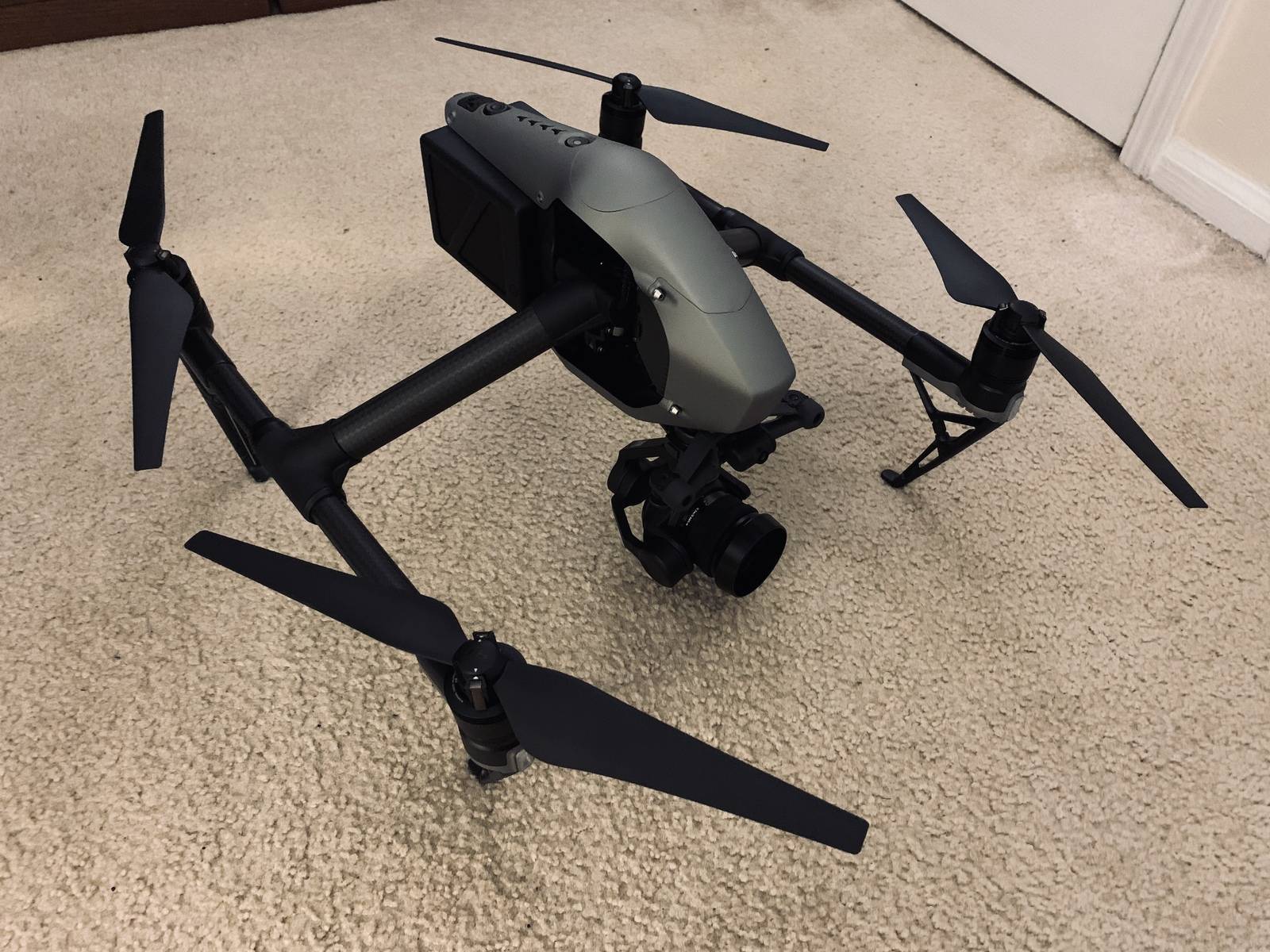
INSPIRE 2 QUADCOPTER
Manufacturer: DJI
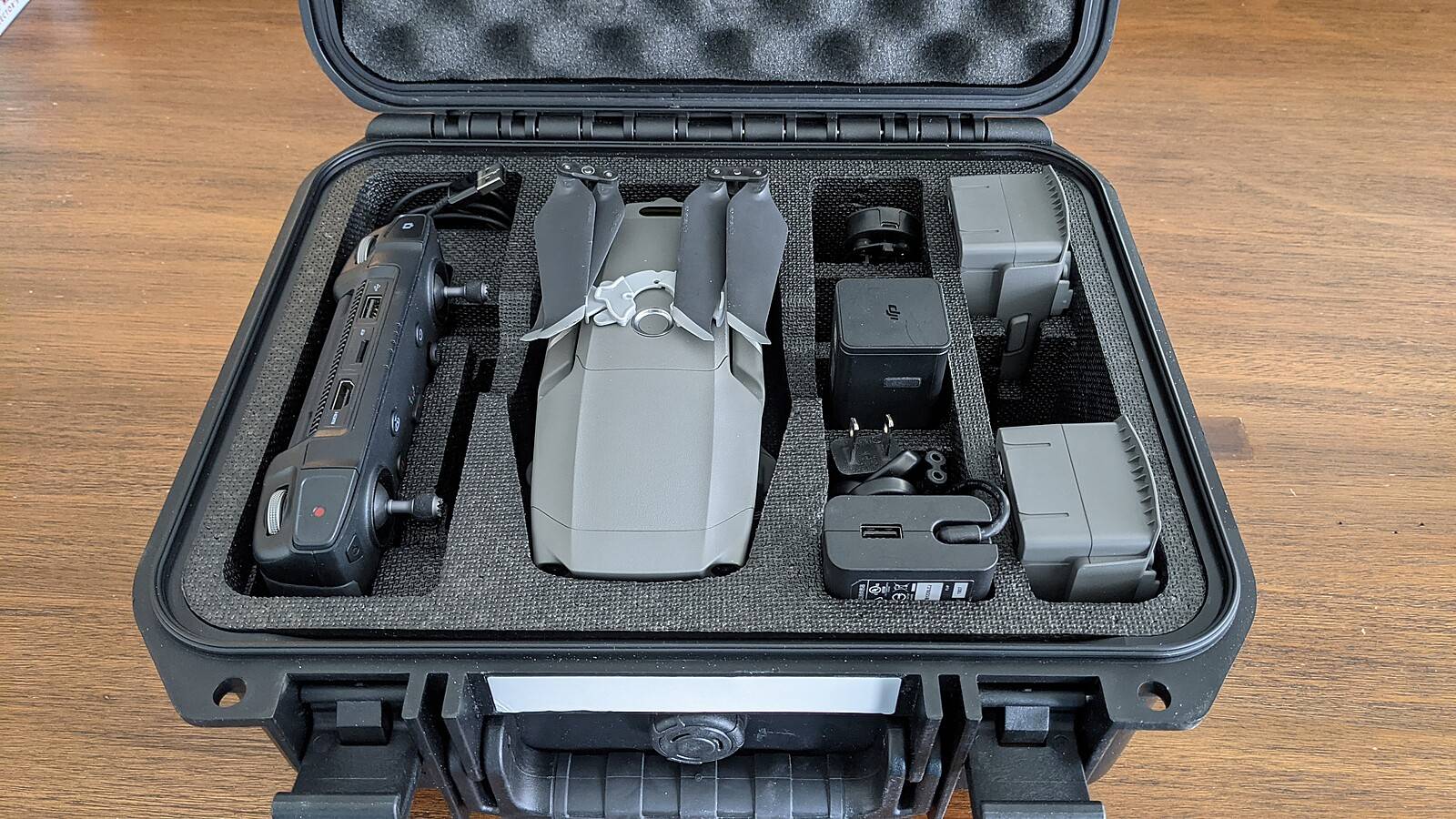
DJI Mavic 2 Pro Quadcopter with Fly More and Smart Remote
Manufacturer: DJI
Service Area:

Video Gallery:
Photo Gallery: