
02 December 2025
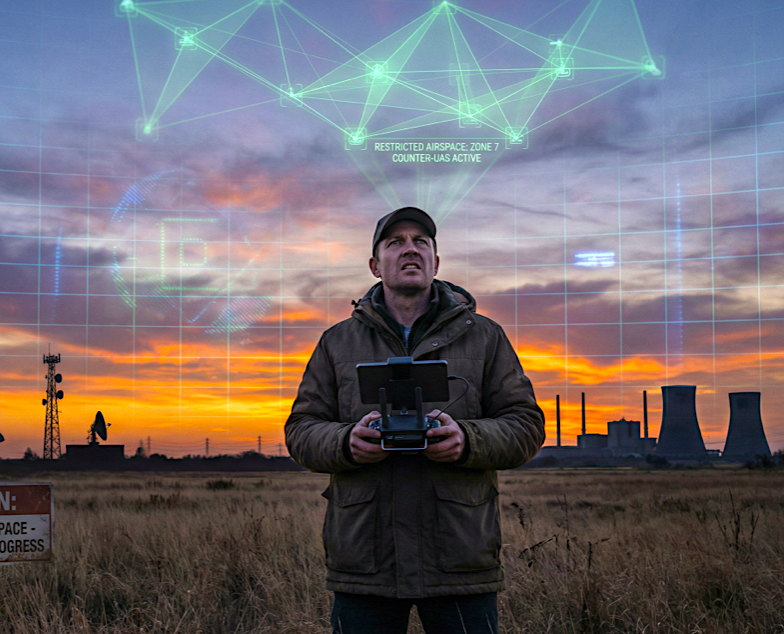
Drone takeover systems — such as those developed by D-Fend Solutions — are built to detect, hijack, and safely land drones perceived as unauthorized. Instead of jamming or shooting drones down, these systems — often using radio-frequency (RF) interception, signal spoofing or decryption — take control of the drone’s communications link, override the original pilot input, and redirect the drone to a safe landing. This approach promises less collateral damage and more controlled resolution than kinetic or purely disruptive methods.
Such tech is typically pitched for protecting sensitive or critical infrastructure: airports, power plants, prisons, public events, etc.
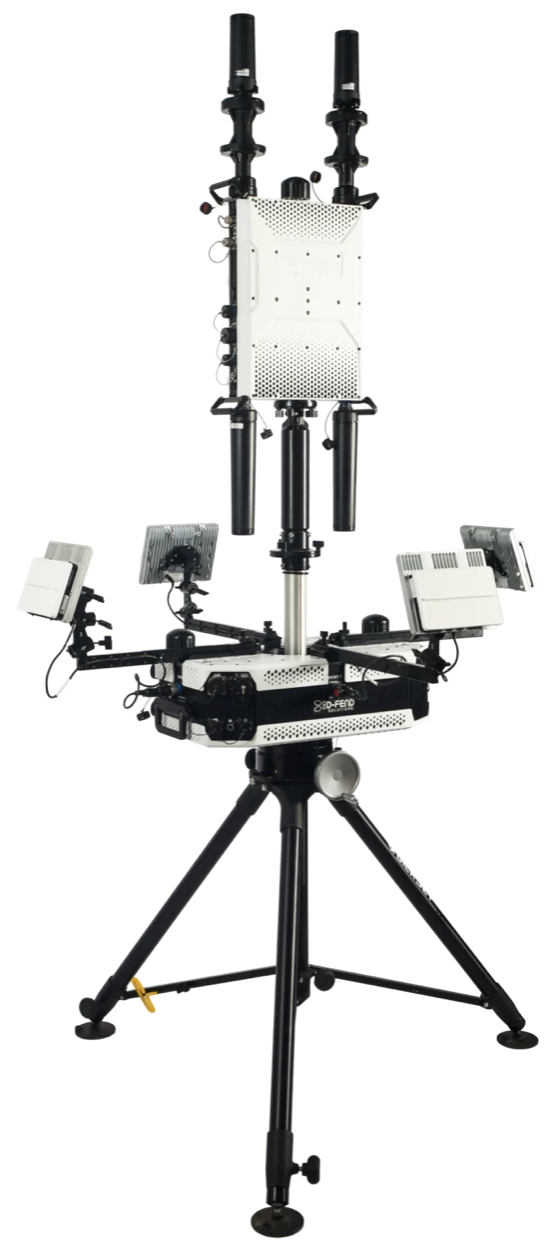
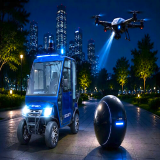
Photo Courtesy D-Fend Solutions
Why This Matters to Drone Operators
- For licensed commercial pilots (under Part 107), even “routine” flights near restricted or protected zones might be intercepted if takeover tech is deployed near those zones.
- Recreational pilots or hobbyists — an errant drone flight passing over a protected area could be seized and landed without warning.
- FPV pilots — especially those flying aggressively (fast, low, near structures) — might lose control mid-flight, even if it’s just an accident rather than malicious intrusion.
In short: as this capability spreads, the “invisible boundaries” become more real — and ignorance isn’t a defense.
Taiwan’s Adoption of Drone Takeover Tech
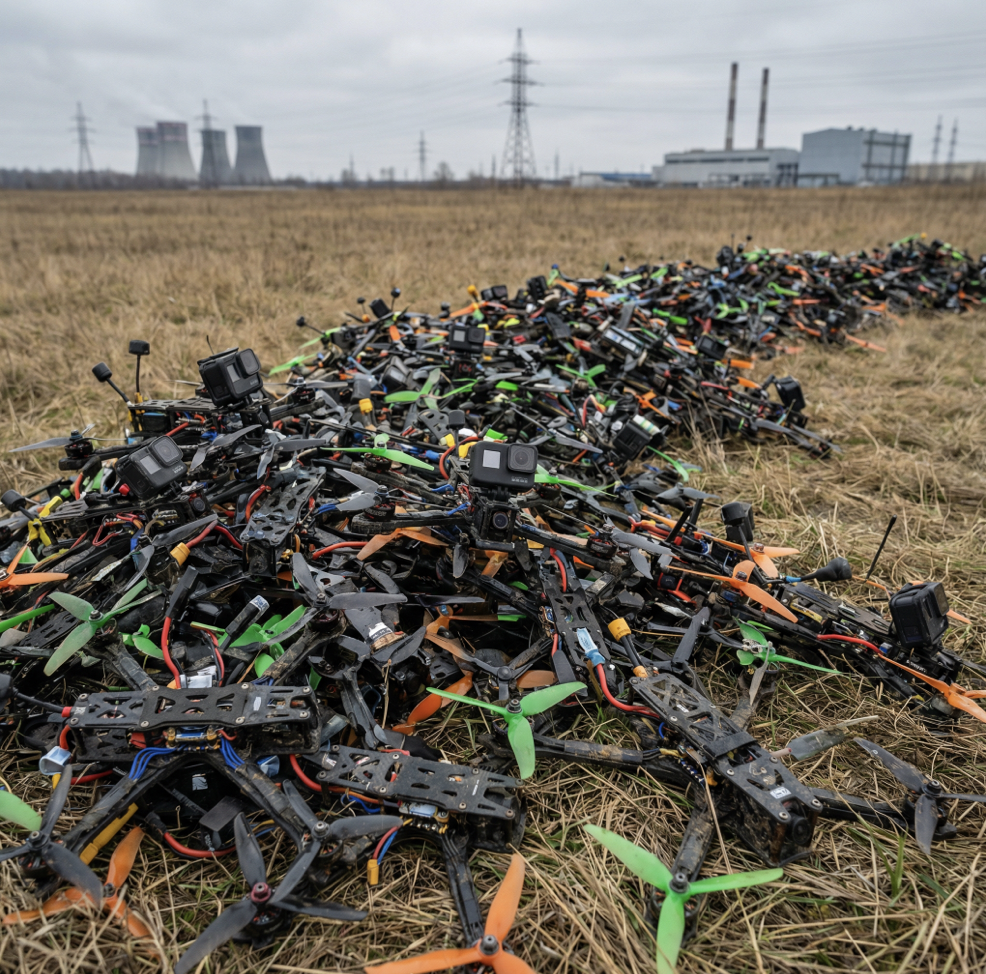
According to a December 1 report from DroneXL, Taiwan is actively moving to build a national counter-drone network that includes takeover technology — not just jamming or detection.
Here are the key take-aways:
- Taiwan’s government — through its homeland-security office and its weapons-development arm (NCSIST) — issued requirements for the counter-drone system that include RF takeover capability, jamming, and spoofing to protect airports, power plants, and other critical infrastructure.
- The system must be able to decode the transmission protocols used by many civilian drones — specifically including versions of DJI’s OcuSync (versions 2, 3, 4, and 4+).
- That requirement sparked debate — some lawmakers warn that basing the system around a single brand (DJI) is problematic, both from fairness and effectiveness standpoints. There’s also concern over whether decrypting DJI’s links is even technically feasible.
- Officials claim the civilian-use takeover plan is separate from the military’s counter-UAV purchase, but Taiwan’s military is simultaneously acquiring hundreds of counter-drone systems — with both “soft kill” (takeover/jamming) and “hard kill” (possibly kinetic) options for use in a more aggressive defense posture.
- Experts quoted in the article caution that takeover tech works reliably only when the drone uses known, vulnerable or unencrypted links. Homemade drones, custom FPV builds, or drones with strong anti-tampering/encryption may evade takeover altogether.
- Also, in a wartime or large-scale scenario — with multiple drones, swarms, low-flying routes, or drones carrying payloads — takeover alone might be insufficient; Taiwan appears to be planning a layered defense: detection, soft takeover, jamming, and hard kill if necessary.
Basically, even though takeover tech sounds impressive on paper, things don’t always play out that smoothly in the real world. A lot of drones have built-in safety features — like automatically hovering or landing if their signal gets jammed — and custom or non-standard drones might not respond to takeover commands at all. Because of that, Taiwan isn’t relying on just one method. They’re putting together a layered defense system that uses a mix of cyber takeover tools, jamming, and even traditional “hard kill” options. It really shows how fast counter-drone technology is shifting from a specialized solution to a major part of national defense.
What This Means Globally
Taiwan’s move illustrates how “no-fly zones + active takeover” frameworks are gaining traction beyond Europe or Middle East — now advancing in East Asia. This increases chances that similar systems could be adopted elsewhere, including in democratic nations that rely heavily on drones (like the U.S.).
- For commercial drone operators, hobbyists, and FPV pilots — this trend underscores the importance of situational awareness. Flying near “sensitive sites” (infrastructure, airports, power plants, prisons, etc.) may no longer just be illegal — your drone could be actively hijacked and seized.
- For drone manufacturers and the broader industry — relying on proprietary or strongly encrypted communications protocols (or adding failsafe/“return-home” logic) might be essential to protect customers. But even that might not be enough if takeover tech becomes advanced enough.
- For regulators and policymakers — as this kind of tech becomes more accessible, there will need to be clearer laws and transparency: what counts as a “protected zone,” who authorizes takeovers, and how seized drones are handled (returned? destroyed?). Civil-liberty, privacy, and property-rights concerns become more urgent.
Drone Pilots: Stay Alert
The escalation from niche counter-drone systems to national-level defense networks shows how quickly drone-related security is evolving. What started as a protective measure around airports and events is morphing into broad infrastructure protection — and now, national defense strategy (as Taiwan’s case shows).
If you fly drones — commercially, recreationally, or as FPV — it’s more important than ever to:
- Know where you’re flying — check for restricted zones, critical infrastructure, and local regulations.
- Be extra cautious near sensitive areas.
- Understand that “airspace legality” isn’t just about licensing or paperwork — the skies are increasingly becoming shared with counter-UAV systems.
Because the drone you fly today… might not always be yours to control.