
05 February 2026
Choosing a drone in 2026 isn’t about chasing the longest spec sheet — it’s about choosing the right tool for the way you actually fly.
Let’s be honest: reading drone spec sheets can feel like listening to someone read ingredients off a cereal box. Technically useful… but not exactly inspiring. So instead, this guide is written the way drone pilots actually talk — casually, honestly, and with a little humor.
Whether you’re a first‑time hobbyist, a content creator, or a commercial pilot making money with your drone, this article will help you understand why certain drones make sense in 2026 — and who they’re really for.
The Drone Market in 2026
In 2026, the drone landscape looks very different than it did just a few years ago:
- • Hardware releases are slower and more strategic
- • Regulations, firmware support, and longevity matter more than hype
- • Pilots are holding onto drones longer and expecting versatility
That means buying a drone today is less about “what’s new” and more about what will still be relevant two to three years from now.
Read This Before You Buy
This part matters more in 2026 than ever before.
When choosing a drone today, you’re not just buying a camera with propellers — you’re buying into firmware support, compliance longevity, and ecosystem stability.
Here’s what smart pilots are thinking about:
- • Will this drone continue receiving firmware updates?
- • Is it widely supported by accessories, batteries, and repairs?
- • Does it fit current and foreseeable FAA operational requirements?
This is where established platforms (especially DJI’s ecosystem) still carry weight. Even when regulations feel uncertain, drones with strong market adoption tend to have: - Longer software support cycles - Better resale value - Broader industry acceptance
[1] Best Beginner and Casual Flying Drones
I’ll reference pricing tiers throughout this article, instead of locking into exact prices at press time. After all, pricing changes, but value doesn’t. Budget is under $500, Mid-Range is $501-$1,200, and Premium is $1,201 and above.
> DJI Neo 2: The Swiss Army Knife of Casual Flying
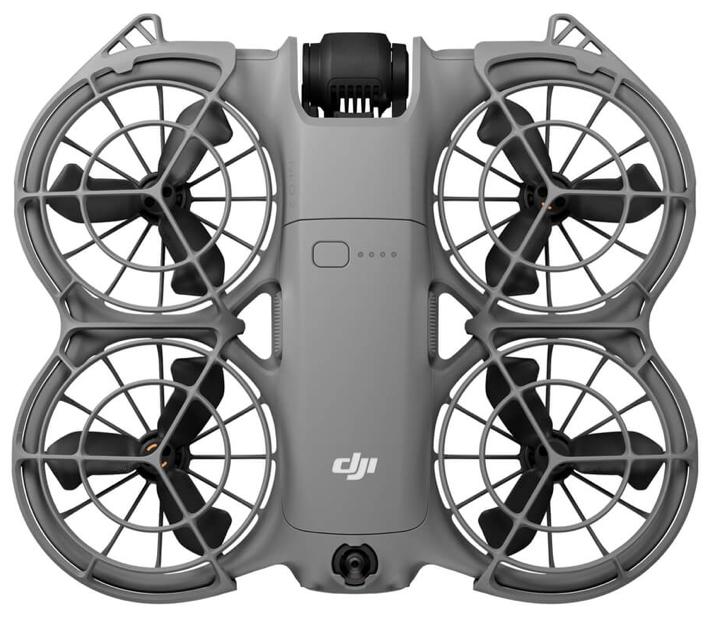
Price Tier: Budget to Lower Mid-Range
Why it stands out: The DJI Neo 2 is one of those drones that quietly becomes your favorite without trying too hard. It can be flown with or without a controller. It is designed for spontaneous, everyday flying. A great entry point for beginners and content creators.
Pros: Extremely versatile control options. Beginner‑friendly flight behavior. Ideal for social media, travel, and quick captures.
Cons: Not built for advanced commercial missions. Camera won’t replace a flagship drone
Best for: Hobby pilots, travelers, vloggers, and anyone who wants a drone they’ll actually use, not just own.
> Potensic Atom 2: The Budget-Friendly Surprise
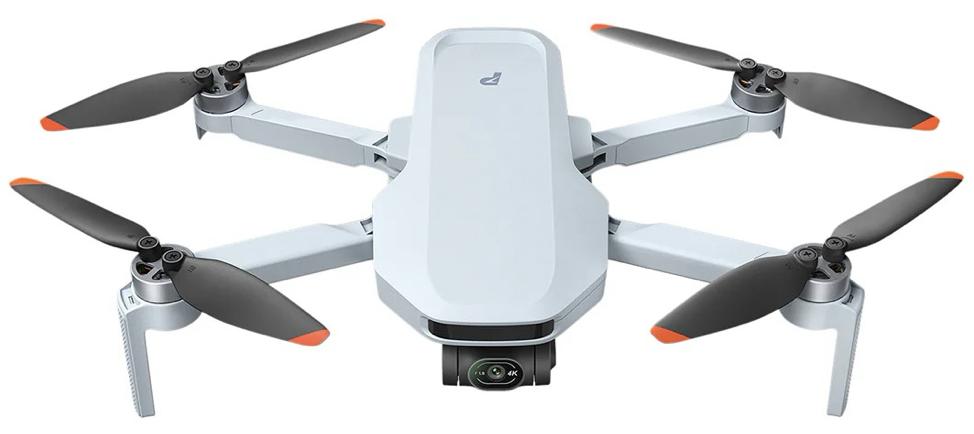
Price Tier: Budget
Why it stands out: Potensic continues to punch above its weight, and the Atom 2 proves that DJI isn’t the only player worth watching. New compact design for 2026, as well as a new remote with a built‑in screen—a huge win at this price.
Pros: Excellent value for the money. No phone required to fly. Solid image quality for beginners.
Cons: Limited ecosystem compared to DJI. Fewer intelligent flight modes.
Best for: New pilots who want a capable drone without paying premium-brand pricing.
> Skyrover S1 Mini : Entry-Level With a Learning Curve
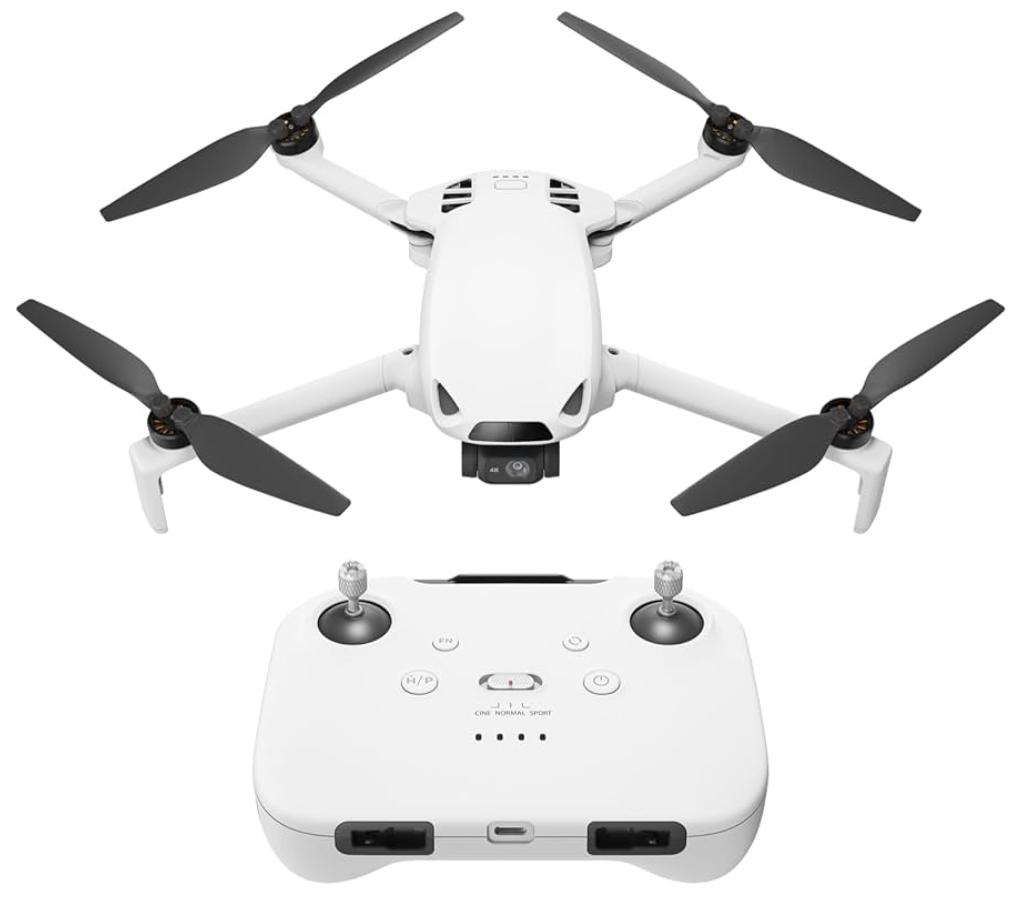
Price Tier: Budget
Why it stands out: The Skyrover S1 Mini isn’t flashy, but it’s accessible.
Pros: Affordable. Lightweight and portable. Good starter platform.
Cons: Basic camera. Limited advanced features.
Best for: First-time flyers who want to learn the basics before upgrading.
[2] Compact Powerhouses
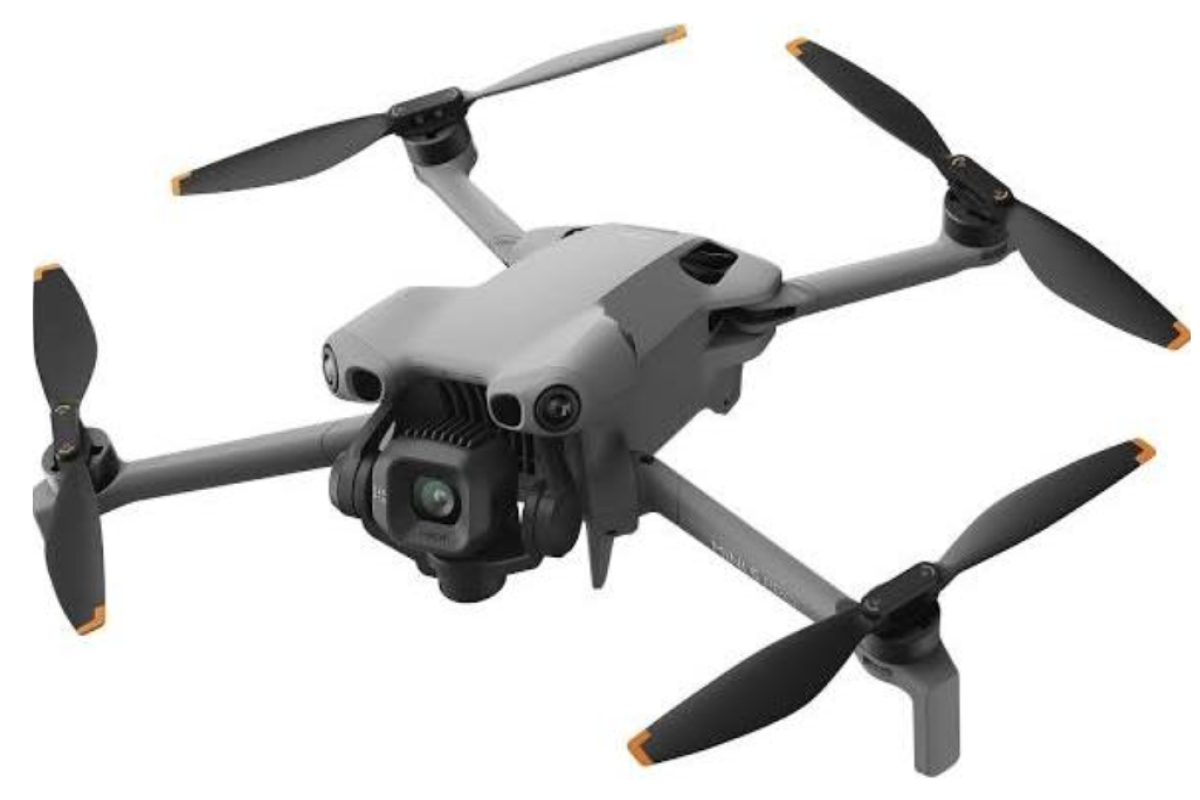
> DJI Mini 5 Pro: Small Drone, Serious Capability
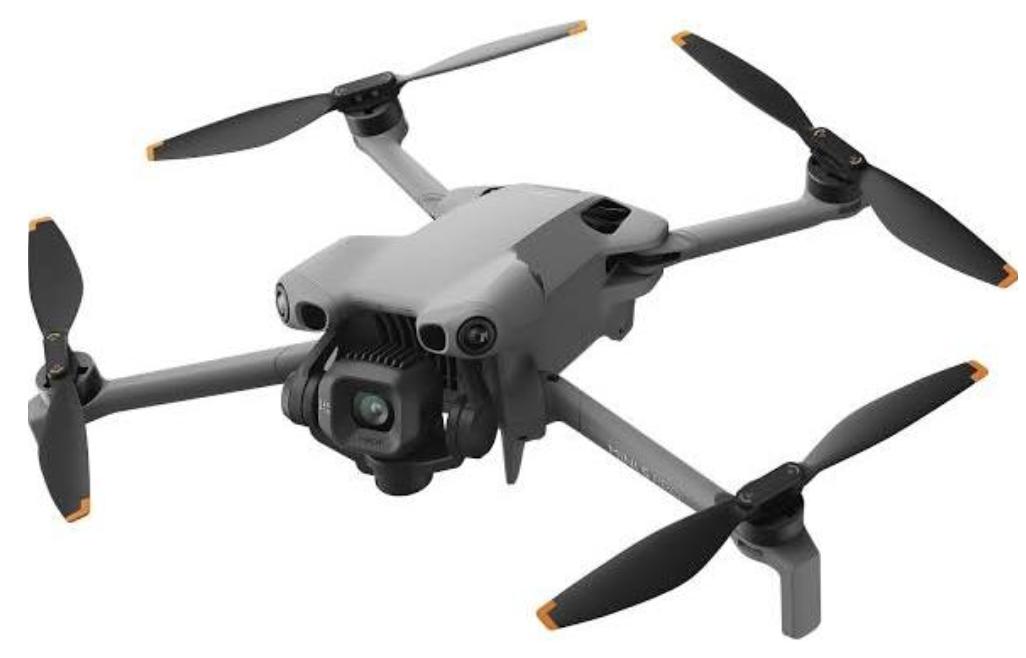
Price Tier: Mid-Range
DJI continues to refine the Mini line, and the Mini 5 Pro proves that “small” doesn’t mean “limited.”
Why it stands out: Sub‑250g convenience. Strong camera performance. Ideal for travel and compliant flying.
Pros: Excellent image quality for its size. Less regulatory friction. Long flight times.
Cons: Wind sensitivity. Limited payload and sensor size.
Best for: Travel creators, real estate light work, and pilots who value simplicity.
> DJI Flip: Creativity First
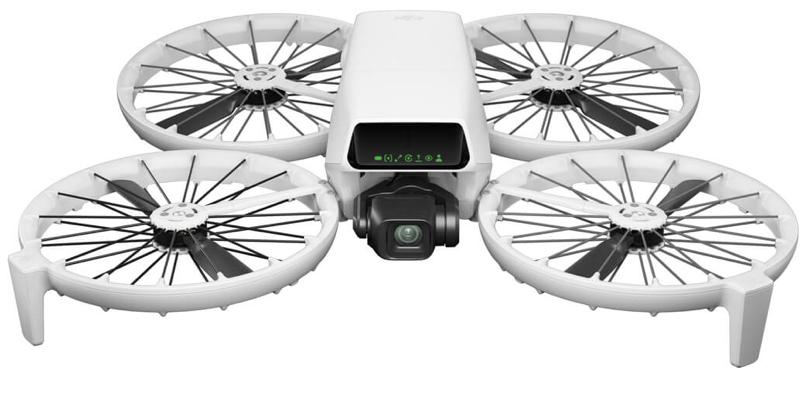
Price Tier: Mid-Range
Why it stands out: The DJI Flip is built for movement, perspective, and fun.
Pros: Unique form factor. Creative flight angles. Fast setup.
Cons: Niche use cases. Not ideal for mapping or inspection.
Best for: Creators who prioritize dynamic visuals over technical missions.
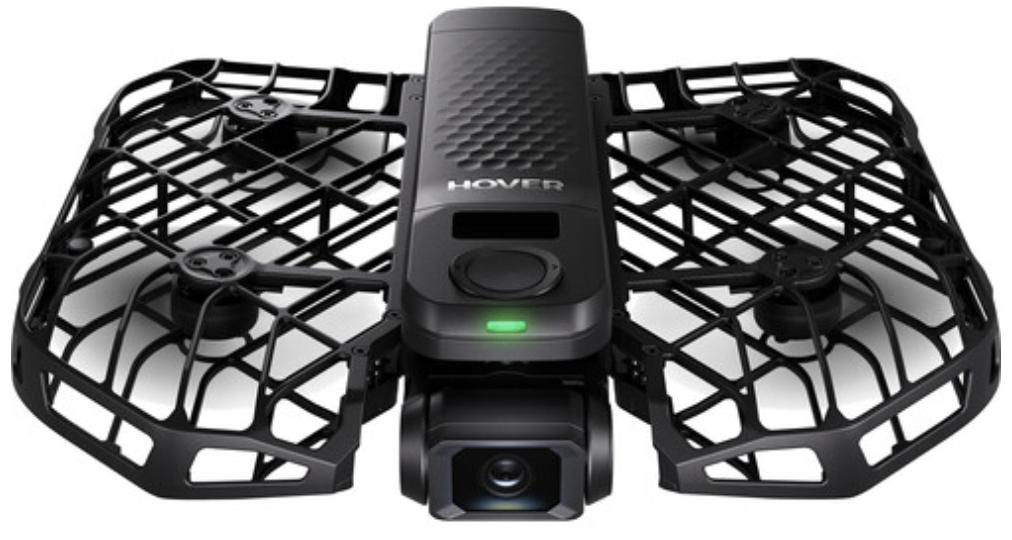
> HoverAir X1 Pro Max: Hands-Free Magic
Price Tier: Mid-Range
Why it stands out: This drone feels like it came from the future — especially for solo creators.
Pros: Autonomous tracking . No controller required. Perfect for action sports.
Cons: Limited manual control. Not designed for commercial compliance.
Best for: Athletes, vloggers, and hands‑free filming.
[3] FPV & Immersive Flight
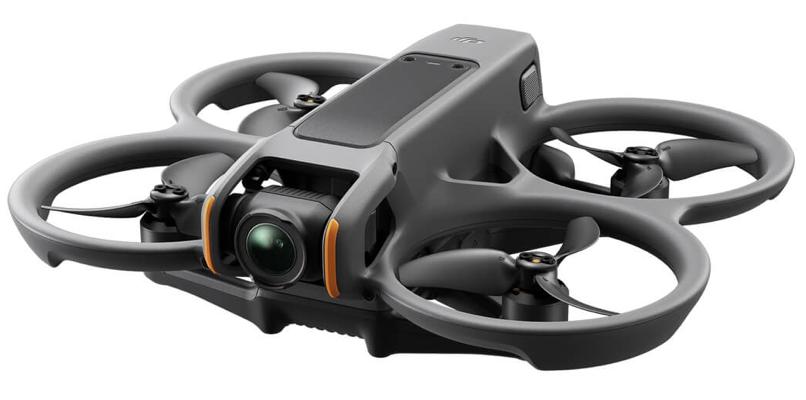
> DJI Avata 2: Controlled Chaos
Price Tier: Mid-Range to Premium
Why it stands out: FPV doesn’t have to be intimidating, and Avata 2 proves it.
Pros: Immersive FPV experience. DJI safety systems. Excellent for cinematic FPV.
Cons: Learning curve. Shorter flight times.
Best for: Cinematic pilots and creatives who want motion and emotion in their footage.
[4] Professional and Commercial Workhorses
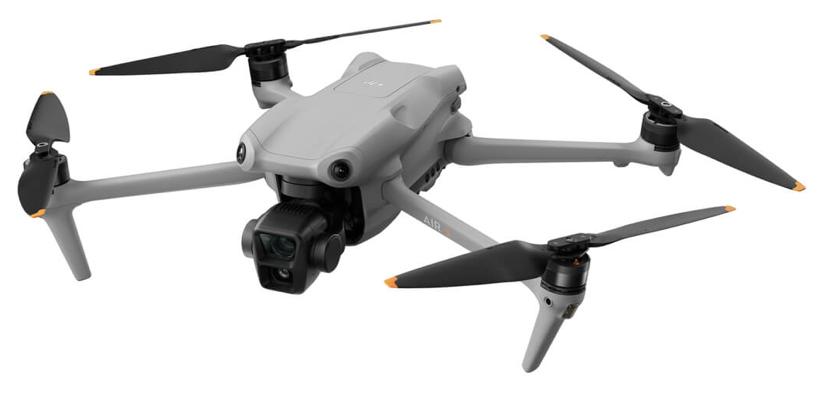
> DJI Air 3S: The Balanced Performer
Price Tier: Upper Mid-Range
Why it stands out: The Air series continues to be the sweet spot.
Pros: Dual‑camera flexibility. Strong obstacle avoidance. Portable yet powerful.
Cons: Price creeping upward.
Best for: Real estate, events, inspections, and general commercial work.
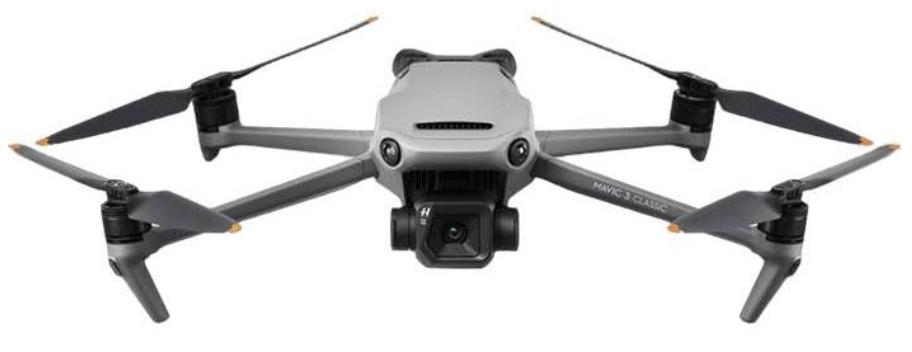
> DJI Mavic 3 Classic / Pro: Still Relevant, Still Powerful
Price Tier: Premium
Why it stands out: These drones refuse to age out.
Pros: Proven reliability. Excellent cameras. Strong resale value.
Cons: Larger footprint.
Best for: Established commercial pilots who need consistency.
> DJI Mavic 4 Pro: The Flagship Standard
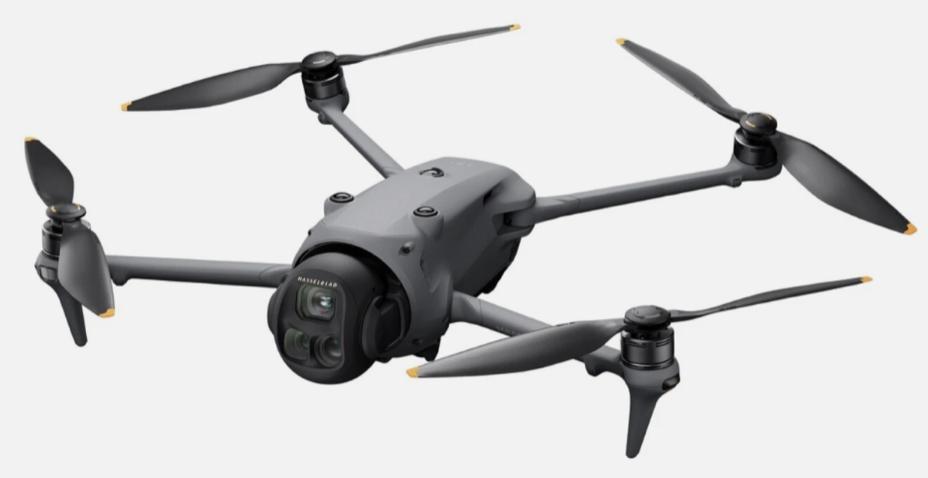
Price Tier: Premium+
Why it stands out: This is the drone clients expect you to show up with.
Pros: Industry‑leading imaging. Multi‑lens versatility. Professional credibility.
Cons: Premium price. Overkill for casual pilots.
Best for: High‑end commercial work, cinematography, inspections, and enterprise‑level operations.
Buy for the Pilot You Are Becoming
Let me say this plainly, because this is where people get it wrong. In 2026, smart drone buying isn’t about flexing specs. It’s about future-proofing your growth.
Ask yourself: Will this drone help me fly more, not just fly once? Does it match the type of work I actually do, or want to do? Can it scale with me as my skills and opportunities grow?
If you choose wisely, your next drone won’t just take photos—it will open doors.