
29 January 2026
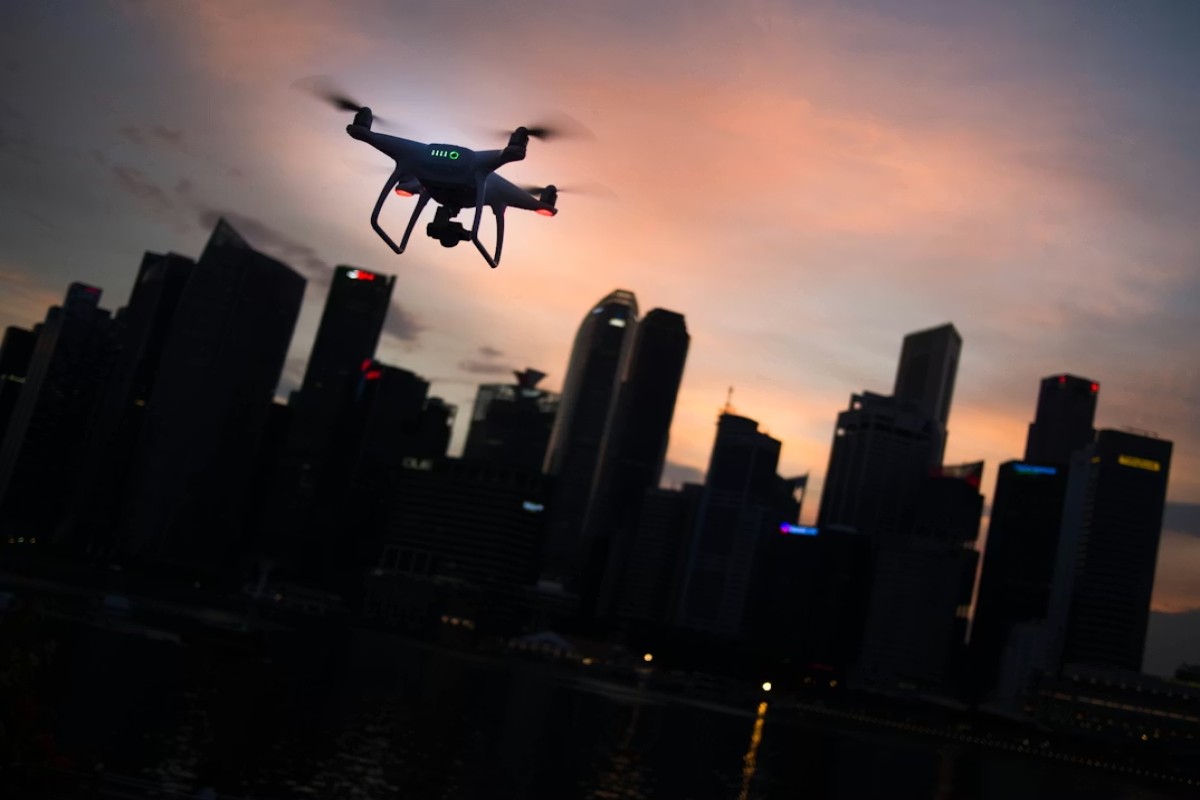
Posting drone footage on social media can feel incredibly rewarding. A single aerial shot can capture scale, movement, and emotion in a way ground footage never could.
Globally, the drone market is worth over $73 billion. Hence, drones are readily available for people to purchase and use. And right now, whether you are flying over a coastline or a city skyline, drone videos have a way of grabbing attention fast.
That said, uploading drone footage is not just about hitting the post button. There is planning, editing, and mindset involved if you want your content to perform well and still enjoy the process.
This guide is meant to walk you through the entire experience in a practical way. From preparing your footage to picking the right platform, the goal is to help you post smarter and feel better doing it.
Planning Your Drone Content Before You Fly
Good social media posts usually start before the drone ever takes off. Planning your shoot helps you avoid wasted footage and frustration later.
Think about the story; it could be showcasing a location, capturing movement, or highlighting a unique perspective. Having a clear idea gives your flight purpose.
Lighting and weather matter more than most beginners expect. Early mornings and evenings often produce the most visually pleasing results. Calm wind conditions help keep footage smooth and professional-looking.
You should also think about platform requirements while filming. Vertical and square formats often perform better than wide cinematic shots on many social platforms.
Finally, always follow local drone laws and privacy guidelines.
For instance, the US Commerce Department imposed restrictions on foreign-made drones, including those from China. However, the department also withdrew these restrictions not long after. Basically, local drone laws can change within weeks or days, so always stay updated.
Responsible flying protects you and helps keep drone content welcome online. Viewers appreciate beautiful footage, but they also respect creators who fly safely and ethically.
Editing Drone Footage for Social Media
Editing is where your drone footage truly comes to life. Raw clips rarely perform well without trimming and polishing. Start by cutting out unnecessary moments and keeping only the strongest shots. Social media audiences move quickly, so shorter clips with a clear focus tend to perform better.
Color correction can make a big difference, even with basic tools. Adjusting brightness, contrast, and saturation helps your footage look clean and inviting. Be careful not to overdo effects.
Natural-looking edits usually feel more professional and trustworthy. Music can also enhance your video, but it should support the visuals rather than overpower them.
Captions and text overlays add context, especially for viewers watching without sound. Keep captions casual and relatable. Instead of explaining everything, give viewers just enough information to spark interest. Editing should feel like shaping a story, not fixing mistakes.
Not Getting Too Addicted to Posting
Posting drone footage often brings attention, comments, and validation, which can feel addictive. When you start checking notifications constantly, the fun can slowly turn into pressure. Setting boundaries around when and how you post helps keep things healthy.
It is especially important to recognize how platforms like Facebook are designed to hold attention. Discussions connected to the Facebook lawsuit have raised awareness about social media addiction and its impact on mental health.
According to TorHoerman Law, Facebook addiction has been linked to mental health issues such as eating disorders and body image issues. When likes and comments become tied to self-worth, content creation can stop feeling creative and start feeling harmful.
Being aware of these risks allows you to stay in control. Limit screen time, avoid comparing yourself to others, and remember that numbers do not define your talent. Your mental health should always come before engagement metrics.
Choosing the Right Platform and Posting Style
Not all social media platforms treat drone footage the same way. Short-form video platforms often favor quick, eye-catching clips that get to the point fast. Other platforms may reward longer videos that allow viewers to settle into the scene. Understanding these differences helps you tailor your content without redoing everything from scratch.
Posting consistently helps, but quality matters more than frequency. You do not need to upload every flight or every week. Posting when you feel confident about the footage builds trust with your audience. Over time, viewers begin to recognize your style and look forward to your posts.
Also, know which platforms your target audience uses the most. For instance, most US adults (84 percent) use YouTube. Hence, for all your cool US-based drone shots, you can post on YouTube.
Timing also plays a role. Posting when your audience is most active can increase early engagement. Still, do not obsess over analytics. They are tools, not judgments of your creativity.
Engaging With Your Audience in a Healthy Way
Engagement is more than likes and shares. It is about building real connections with people who enjoy your work. Responding to comments, answering questions, and showing appreciation help create a positive environment around your content. Viewers are more likely to stick around when they feel acknowledged.
At the same time, you do not need to be available all the time. Choose when to reply and when to step back. It is okay to enjoy creating without constantly interacting. Healthy boundaries allow you to stay consistent without burning out.
Encouraging respectful discussion and avoiding negativity also protects your space. You get to decide what kind of community surrounds your content. A calm, welcoming tone often attracts the right audience naturally.
FAQs
How to make drone footage look good?
Make drone footage look good by planning shots before flying. Fly smoothly and avoid sudden movements. Use good lighting, preferably early morning or evening. Keep the camera level and steady. Adjust camera settings manually. Color correct footage during editing. Simple transitions improve flow. Practice regularly to improve control and creativity.
How to upload high-quality drone videos to Instagram?
Upload high-quality drone videos by exporting them in the correct resolution. Use vertical format for Reels and Stories. Keep videos under the recommended length. Upload using a strong internet connection. Avoid excessive compression during export. Use sharp thumbnails and captions. Posting directly from the app improves quality consistency.
Can I sell my drone videos?
Yes, you can sell drone videos through stock footage platforms. Businesses buy aerial footage for marketing and real estate. Ensure you have legal permission to fly and record. Follow local drone regulations carefully. High resolution and stable footage sell better. Niche locations increase demand. Licensing options create recurring income opportunities.
How to make drone reels?
Make drone reels by selecting short, engaging clips. Use vertical framing and dynamic angles. Sync footage with trending music carefully. Keep transitions smooth and simple. Highlight movement like fly-throughs or reveals. Edit tightly to maintain attention. Add minimal text if needed. Consistency helps grow audience engagement.
Posting drone footage on social media can be an exciting, creative outlet when approached with balance and intention. From planning your flights and editing thoughtfully to choosing the right platforms, each step plays a role in how your content is received. Just as important is taking care of yourself throughout the process.
Drone footage should be about exploration, creativity, and perspective, not pressure. With the right mindset, you can share stunning views while keeping your relationship with social media healthy and sustainable.