
22 April 2026
Autonomous systems powered by AI video intelligence and RF-based detection are quickly becoming a core layer of modern military operations because they help forces "see" the battlefield faster and react earlier than human-only systems ever could.
AI-driven video analytics can scan huge volumes of drone feeds, surveillance cameras, and ISR platforms in real time to identify vehicles, personnel movement, or unusual behavior patterns automatically. That means commanders aren't waiting on analysts to review hours of footage—they're getting alerts instantly.
This is a big reason the military-focused AI video surveillance segment alone was valued around $655 million in 2024 and is expected to climb to about $3 billion by 2030, showing how quickly defense organizations are investing in visual intelligence tools.
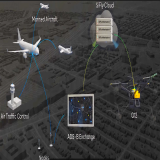
RF-powered detection adds another critical layer because it can spot signals from drones, radios, and other electronic emitters even when targets aren't visible on camera. When combined with AI video intelligence, these systems create what defense teams call "sensor fusion"—basically merging visual data with radio-frequency awareness so autonomous platforms can track threats across environments like urban areas, borders, or contested airspace. This kind of layered detection is especially important for counter-drone missions, where the global counter-UAS market alone is projected to jump from roughly $2.08 billion in 2025 to over $19 billion by 2035 as militaries try to keep up with the explosion of unmanned threats.
Looking at the bigger picture, autonomous AI-enabled defense systems built around video analytics, RF sensing, and edge decision-making are becoming a centerpiece of next-generation warfare strategy. Governments want platforms that can detect threats earlier, operate in GPS-denied environments, and reduce risk to personnel—and autonomous sensor-driven systems check all those boxes. That's one reason the broader AI-in-defense market is expected to grow from about $9.13 billion in 2025 to roughly $29.48 billion by 2035, with autonomous warfare technologies playing a major role in that expansion. Overall, combining AI video intelligence with RF-based detection isn't just a technical upgrade—it's quickly turning into a baseline capability for modern situational awareness, counter-drone defense, and real-time battlefield decision-making.