
18 June 2026
Key Takeaways for SaaS (Software-as-a-Service), AI, Drone Market
- • AI is driving the shift from manually operated drones to fully autonomous drone fleets.
- • Drone software market projected to exceed $24 billion by 2030.
- • AI-in-drone market forecast to surpass $51 billion by 2033 and potentially $61 billion by 2034.
- • SaaS platforms are becoming the preferred model for fleet management, analytics, and mission planning.
- • Defense, infrastructure, agriculture, logistics, and public safety are expected to be major growth drivers.
- • Recurring SaaS subscription revenue creates attractive long-term business models for drone technology providers.
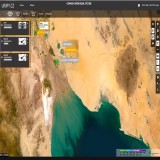
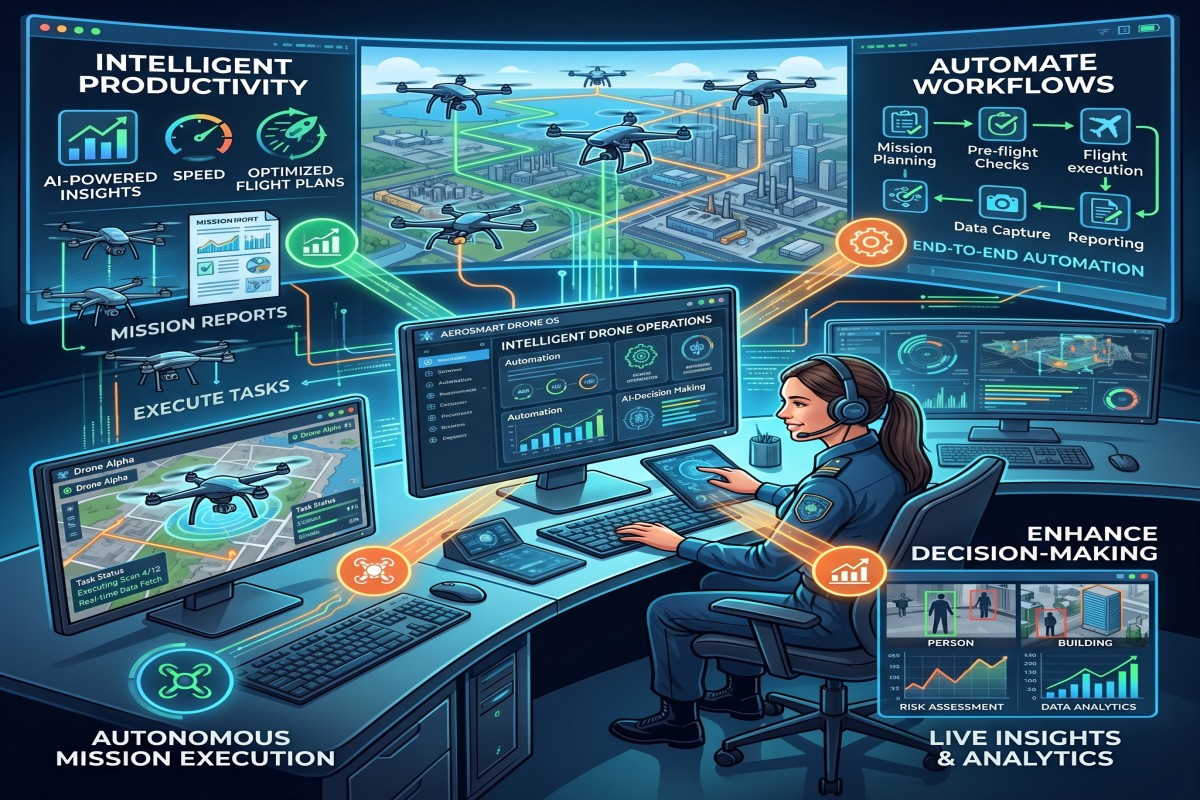
Artificial intelligence's progression is propelling the evolution of Software-as-a-Service (SaaS) drone operations in the future. Previously, tasks that required skilled pilots and extensive manual data analysis are now simplified through AI-driven software platforms. These platforms manage flight scheduling, navigation, data collection, and analysis. Businesses are increasingly turning to cloud-based drone software to supervise fleets, oversee real-time operations, and improve decision-making effectiveness. As companies look for ways to increase productivity and reduce costs, AI-powered drone SaaS solutions are becoming essential tools in sectors like construction, energy, agriculture, logistics, and defense.
One of the main factors driving this shift is AI's ability to handle the vast amounts of data captured by drones daily. Instead of employees spending hours reviewing images and videos, AI can quickly identify equipment issues, track progress at job sites, identify security threats, monitor assets, and produce rapid reports. This not only saves time but also allows organizations to act swiftly on critical information. Consequently, more companies are choosing subscription-based drone software platforms that provide continuous access to advanced analytics, fleet management tools, and automation features. Forecasts indicate that the global drone software market could potentially double from its current valuation of $12 billion to exceed $24 billion by 2030 as the integration of AI gains traction. Looking ahead, AI is expected to play a more substantial role in advancing autonomous and scalable drone operations.
Future drone fleets will be increasingly autonomous, carrying out tasks such as infrastructure inspections, facility patrols, land surveys, crop monitoring, and defense support with minimal human intervention. The broader AI-driven drone market is projected to climb from approximately $14 billion in 2025 to over $50 billion in the upcoming years, showing significant growth potential in the industry. For investors, the blend of AI technology, recurring SaaS revenue models, and the growing demand for autonomous operations presents an attractive growth story that could position drone software companies as key beneficiaries of the expanding AI landscape.
"We want to future-proof and enhance our enterprise SaaS solutions beyond traditional software tools, adding intelligent productivity that can automate workflows, execute tasks, and enhance decision-making. Our goal is to deliver greater customer value and recurring revenue opportunities while leveraging agentic AI, one of the fastest-growing segments of the enterprise software market," said Shaun Passley, PhD, ZenaTech CEO, whose company just unveiled its Zoo Office AI-powered enterprise productivity platform. "We believe the future of software is not more applications, but fewer, smarter, and more personalized platforms. Zoo Office is our vision for an AI-native business environment where applications, workflows, data, and organizational knowledge work together through a shared business context layer. As businesses increasingly adopt AI-driven solutions to improve efficiency and reduce costs, we see an opportunity to accelerate our enterprise SaaS segment growth and contribute to creating long-term shareholder value."