
03 July 2026
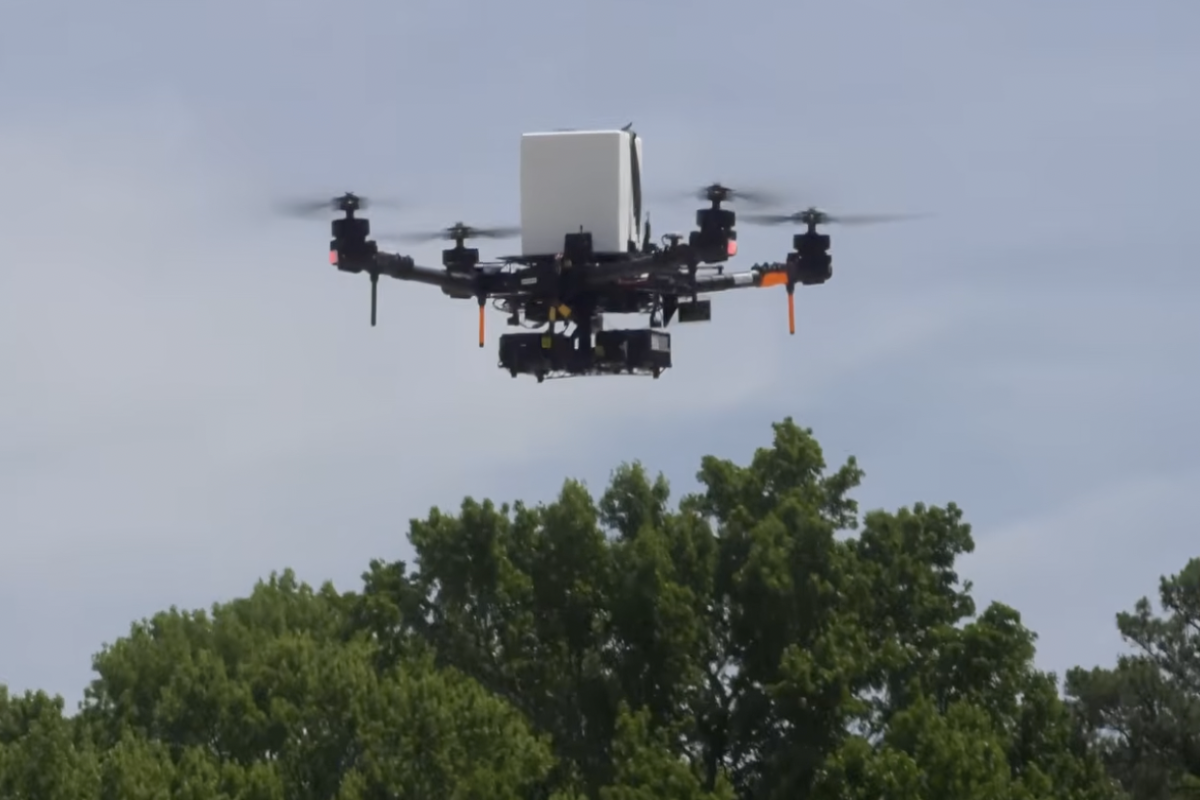
A recent flight test at NASA's Langley Research Center may prove organs can be delivered by drones flown beyond line of sight—a critical methodology for getting life-saving organs to hospitals in populated environments.
The research is being undertaken via a partnership between NASA and the United Network for Organ Sharing. NASA and UNOS are seeking to fly organ-bearing drones as far as 15 miles away between hospitals to "explore faster, more reliable ways to transport donor organs using advanced aviation technologies."
The hope is drones could be a better option than helicopters and other—much larger—aircraft to quickly and safely navigate dense cityscapes. Improving delivery speed is crucial, because organs have a tight timeline of transplant viability. The kidney used for the test delivery was evaluated for temperature stability, as well as any tissue damage caused by the absence of blood flow.
Ultimately, BVLOS drone organ delivery also needs to meet FAA rules, and the Langley reportedly passed those requirements.
"This is a chance to apply NASA Langley technology to a real-world problem that can save people's lives who are waiting for transplants," said Langley's director of aeronautics research directorate John Koelling. "There's nothing more rewarding than seeing your technical work have a positive impact on people's lives."
watch the test