
31 March 2026
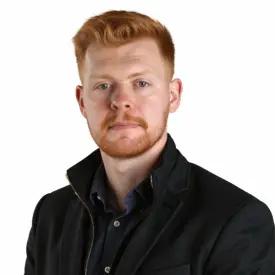
My path into drone operations is built on discipline, responsibility, and the ability to perform in environments where accuracy matters. It is not something I approached casually or as a hobby. It is something I developed through experience, structure, and a commitment to doing things the right way.
I served in the United States Army as a UAV operator, where I was first introduced to aerial systems and, more importantly, the responsibility that comes with operating them. In that role, I used thermal imaging daily, learning how to interpret data in real time and make decisions based on what I was seeing. It was not just about flying a system from point A to point B. It was about understanding what the sensor was telling me, identifying anomalies, and ensuring that the information I provided was accurate and actionable.
That experience shaped how I approach every aspect of drone operations today. It taught me to stay composed under pressure, adapt when conditions change, and focus on delivering results instead of simply completing a task. In the military, there is no room for guessing or cutting corners. That mindset carries over directly into how I operate as a pilot.
Before my time in the Army, I had exposure to the construction and electrical industry. I saw how projects come together in the field, how coordination between teams impacts progress, and how small oversights can turn into costly problems. I understood early on that a lack of visibility and communication can slow a project down or create unnecessary risk. At the time, I did not fully realize how valuable that perspective would become, but it stayed with me.
After the military, I began to see drones differently than most people.
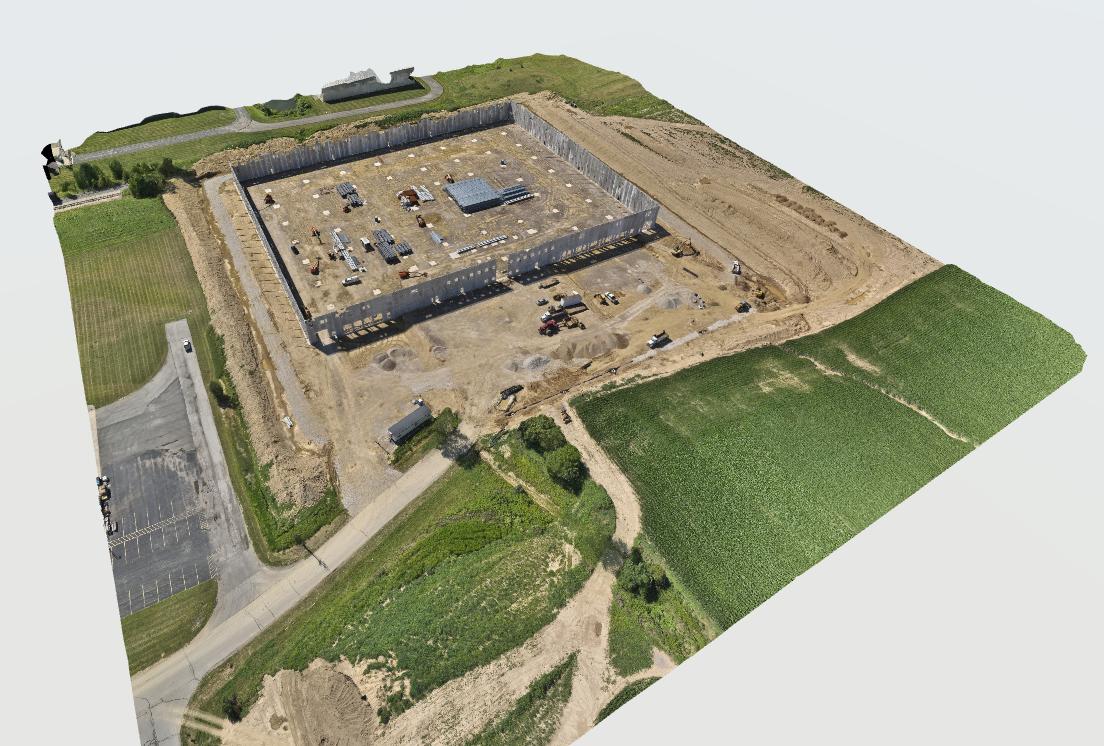
To me, they are not just tools for capturing images or videos. They are tools for collecting data that can actually be used. Whether it is construction progress tracking, site documentation, inspections, or mapping, the real value comes from what that data does after the flight. The flight itself is only a small part of the overall process. What matters is the outcome.
I made the decision early that I was not going to approach this halfway. If I was going to do it, I was going to operate at a high level and hold myself to a higher standard than what is typically expected.
I began building my capabilities across multiple areas of drone operations. I developed experience in mapping, inspections, and visual data capture, focusing on understanding how to plan flights based on the objective rather than just flying for the sake of it. Every mission has a purpose, and how it is executed should reflect that purpose.
I learned how to consistently deliver clean, usable data by paying attention to the details that matter. Things like flight consistency, positioning, environmental conditions, and timing all play a role in the quality of the final result. Over time, I developed a workflow that prioritizes reliability and repeatability.
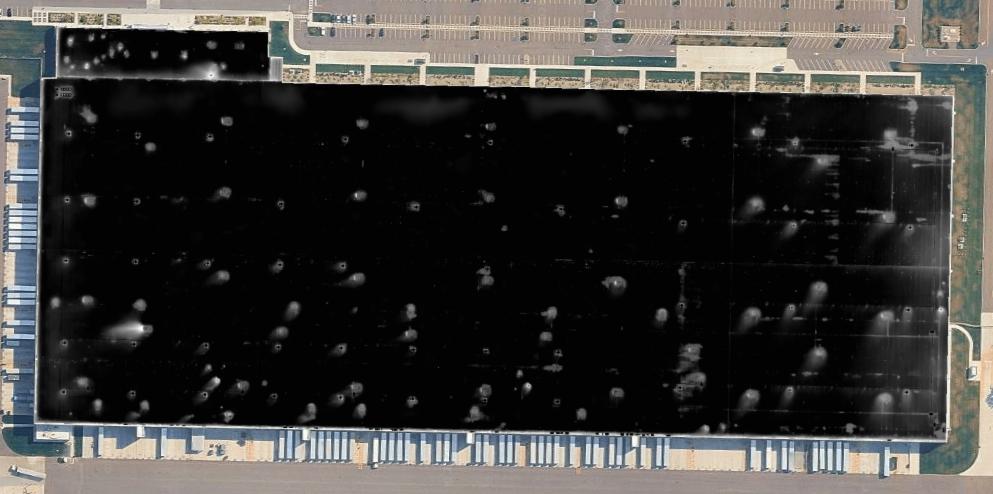
At the same time, I expanded into inspection work and site documentation. Roofing, infrastructure, and general site capture all require attention to detail and consistency. There is a difference between simply capturing images and capturing information that someone can actually use to make a decision. That difference is something I focus on with every project.
I also developed a strong understanding of visual data capture from a professional standpoint. Clean, well-composed imagery is not just about aesthetics. It reflects professionalism and helps communicate information clearly to clients, stakeholders, and teams on the ground.
Thermal imaging is a key part of my background, but it is not the only thing I bring. I am a Level 3 thermographer through Infraspection Institute, which allows me to accurately capture and interpret thermal data when it is required. That level of training goes beyond simply identifying temperature differences. It involves understanding what those differences mean and how they relate to real-world conditions.
However, I approach each project based on the objective, not just the sensor being used.
Some projects require detailed RGB mapping. Others require inspection-focused imagery. Some require thermal analysis. Many require a combination of multiple data types. Understanding how to choose the right approach and execute it correctly is what separates a pilot from a professional operator.
I operate platforms such as the DJI Mavic 3 Thermal and build my workflows around the outcome the client needs. Every mission starts with a clear understanding of the goal, followed by planning and execution that supports that objective. I take into account site conditions, timing, and the type of data required to ensure that what I deliver is both accurate and useful.
Not every flight goes perfectly, and that is where experience matters most.
There have been times where software becomes unstable, missions do not execute as planned, or conditions change mid-flight. Those situations are part of real-world operations. What matters is how you respond to them. In those moments, I rely on my training and experience to adapt, troubleshoot, and complete the mission safely.
That ability to stay composed and execute under pressure is something I developed in the military and continue to apply in every operation. It is one of the key traits that defines how I work.
Reliability is one of the most important things I bring as a pilot. Clients are not just looking for someone who can fly. They are looking for someone who can show up, execute, and deliver consistent results.
In addition to my operational experience, I have continued to invest in understanding the industries I work in. I hold a Construction Project Management certification through Columbia University and an Electrical Industry Operations and Markets certification through Duke University. I am also currently pursuing a masters in engineering management.
These experiences have given me a broader understanding of how projects are planned, managed, and executed. I understand scheduling pressures, coordination challenges, and how decisions are made at different levels of a project. That knowledge allows me to align the data I collect with what clients actually need.
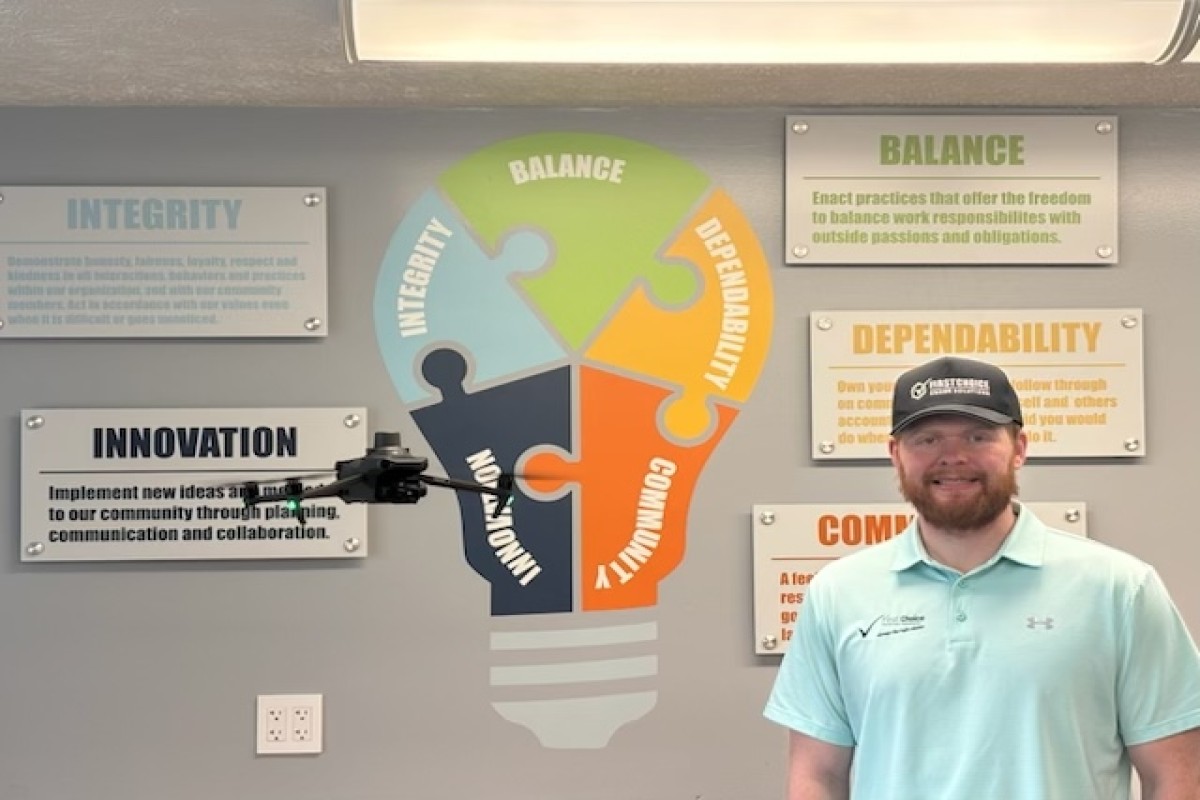
Today, I serve as the UAS Department Manager at First Choice Security Solutions, where I am building and scaling drone operations. This role has pushed me to think beyond just flying and into how drone services fit into a business. It involves developing service offerings, working directly with clients, and identifying opportunities to integrate drone data into construction, electrical, and infrastructure workflows.
When I approach a project, I am not just thinking about flying. I am thinking about the end result. What does the client need to accomplish? What information are they relying on? How can I deliver something that is both accurate and useful?
That mindset allows me to go beyond simply completing a job and instead contribute real value to the project.
I also spend time mentoring and developing others in drone operations, including preparing individuals for the FAA Part 107 certification. Teaching has reinforced my own knowledge and pushed me to operate at a higher level. It requires a deeper understanding of both the technical and practical aspects of drone work.
As I continue to grow, my focus is on higher-value applications such as large-scale mapping, infrastructure inspections, and energy sector work where accuracy and understanding truly matter. These are areas where drone technology can have a significant impact when used correctly.
I am not focused on being just another pilot or competing on price alone.
I am focused on being someone that clients trust to execute, deliver, and perform at a high level every time.
At the core of everything I do is a simple mindset: execute the mission, deliver value, and continue improving.
Everything I have done, from the military to construction exposure to education and business development, has led to this point. Each piece has contributed to how I operate today.
That combination is what defines me as a pilot.
Watch!