
11 February 2026
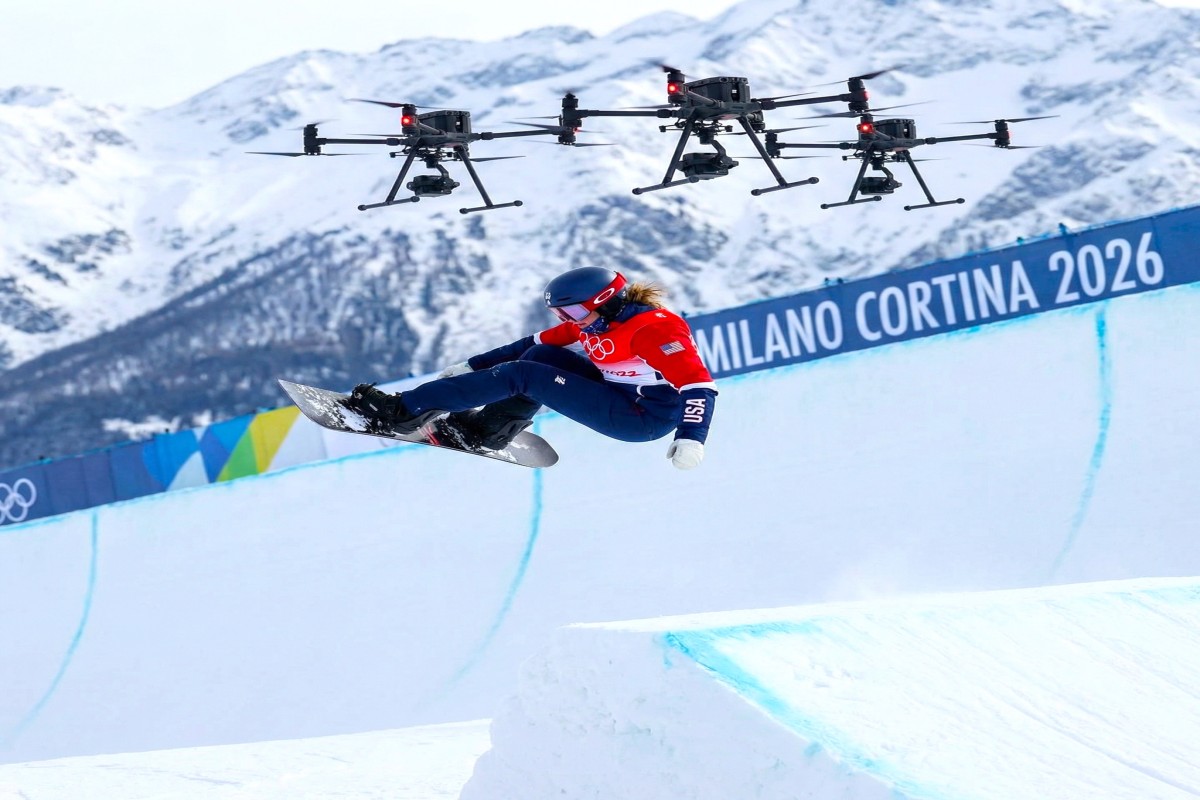
They weren't competing for medals, but drones were often right alongside the althletes who were.
The first time drone "teams" covered the Olympics was at the 2014 Olympic Winter Games in Sochi. At the 2024 Summer Olympics in Paris, FPV drones were incorporated into live coverage of mountain biking, marking the first time that tech had been used for the Games.
They're even a bigger deal at the 2026 Winter Games in Milano Cortina.
Thanks to evolutions in low-latency transmission systems, FPV drones can now deliver broadcast-quality footage in real-time. As a result FPV drones are being deployed in multiple venues at Milano Cortina, providing teams with what the Olympic Broadcast Services call “one of the most powerful storytelling tools in live sport.”
HOW ARE DRONES BEING USED AT THE 2026 MILAN CORTINA GAMES?
Capturing footage at the Olympics is galaxies different from setting out with your drone and casually discovering an old mill you'd like to film right then and there.
In Milan Cortina, everything is meticulously and precisely planned out and scrupulously documented.
• Every drone flight is made in close cooperation with the Italian Civil Aviation Authorities, Prefectures, and Police, and is also coordinated with International Federations, venue management, and production teams.
• Drones must maintain safe distances from athletes, spectators, and restricted zones.
• All operations must be approved in advance by the authorities in charge.
• All drones must be operated certified professionals, and in accordance with aviation regulations and safety protocols at the venues.
• Each drone is operated by a three-person team comprised of a pilot, director, and technician. These teams are expected to manage flight paths, timing, and technical needs safely.
What Types of drones are AIRBORNE AT THE 2026 WINTER olympics?
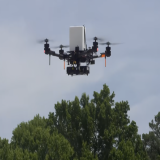
The Olympic Broadcasting Services reports it is using 25 custom FPV drones that are designed for enhanced maneuverability and speed to keep up with the athletes. Drones working at the Winter Games must also be able to shrug off temperatures as low as -4 degrees fahrenheit, and operate at altitudes up to 18,000 feet. Given the cold, flight time for the flying cameras averages around three to six minutes, and, because of this, FPV drones covering the events have batteries designed to be replaced as rapidly as the pit crews changing tires at F1 races.
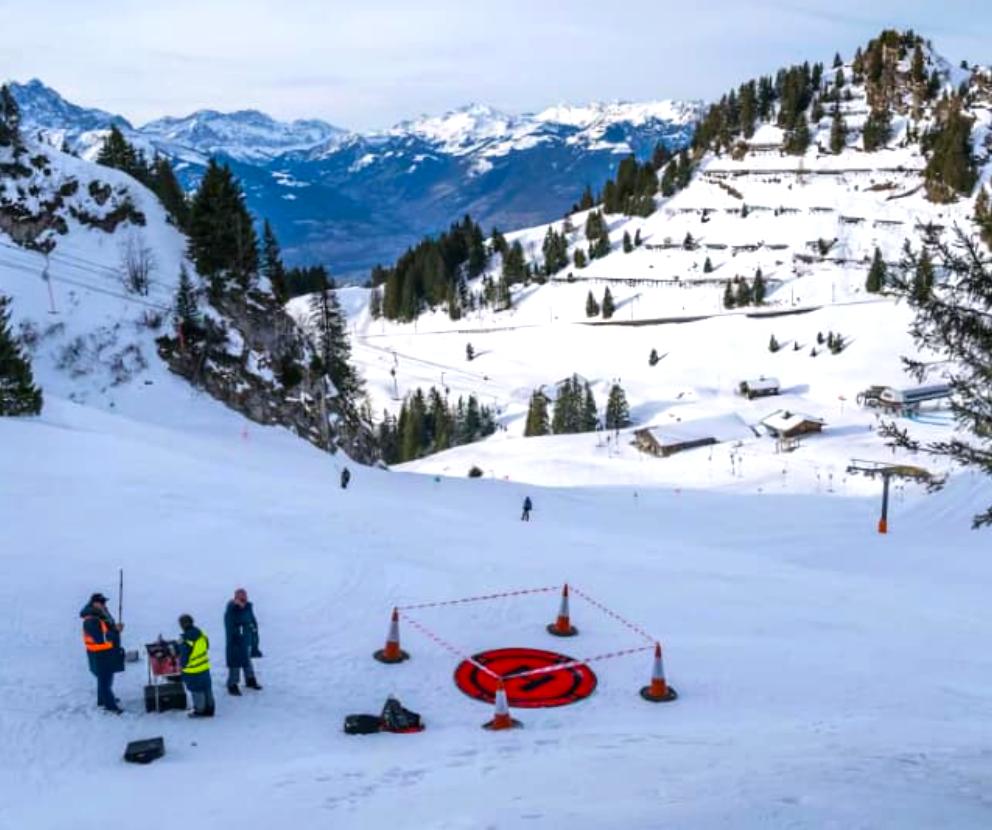
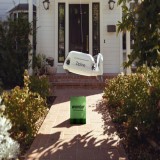
An uncredited shot at Milan Cortina captures the presence of a Hoodman landing pad.
THE NOISE FACTOR
Obviously, pilots and film crews need to ensure their drones don't impede the athletes or potentially endanger them by flying too close. But there's another persistent danger: Noise.
The constant buzz of high-speed drones zipping around the athletes could be distracting at critical moments when, say, a downhill skier is concentrating on their next turn. So far, no accidents or distractions have been reported due to noise, but the cacophony could become a problem at future sports events as more and more drones are deployed to give audiences a thrilling and immersive experience.
AUTHENTIC THRILLS
Before drones, covering, say, a high-speed bobsled race typically required giving viewers a succession of quick cuts from cameras set in fixed positions along the track. Drones, however, can follow the racer around multiple curves in a continuous shot with no cutaways. Directors can use drones to capture truly immersive and exciting shots—finally bringing reality to the "You are there" sentiment delivered by '50s, '60s, and '70s newscaster Walter Cronkite at a time when viewers certainly were not right there at all. Gold medal goes to FPV drones!